
What Is a Karambit Knife? Uses, Pros & Cons of the Curved Blade
Quick Answer
What a karambit is, where the curved blade and finger ring come from, what it is actually used for, and its honest pros and cons. Written by the makers of hand-forged custom karambits.
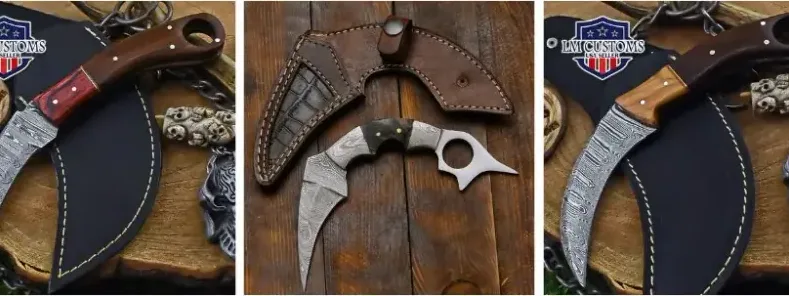
A karambit is a curved knife with a hooked, claw-shaped blade and a finger ring in the handle. It began as a farm tool for harvesting and cutting rope, and today people use it for everyday utility cuts, outdoor chores, and collecting. Here is where the design comes from, what a karambit is actually used for, and its honest pros and cons.
For a high-quality Karambit knife with exceptional performance and design, explore the hand-forged options from our custom knifemaker brand. Karambit carry rules vary: check knife laws by state before you carry. Whether you want a dependable tool for outdoor work or simply enjoy the beauty and craftsmanship of a unique knife, a well-made karambit earns its place.
What is a Karambit Knife?
The karambit knife is a unique and fascinating knife with a distinctly curved blade and a finger ring. This intriguing design isn’t just for aesthetics; it has a rich history and a variety of practical uses.
Origins and Traditional Uses
The Karambit was originally designed as a utility tool. Its curved blade was ideal for harvesting crops, cutting vines, and other agricultural tasks. The finger ring provided additional grip and control, especially in wet or humid environments.
Over generations, smiths refined the curve and the ring, regional styles multiplied, and the karambit became a cultural icon, valued as much for its craftsmanship as for its usefulness.
From Farm Tool to Cultural Icon
The karambit knife originated in Southeast Asia, where it served as a multi-functional tool for agricultural tasks like harvesting crops and cutting vines. Its compact size and ease of use made it a valuable companion for everyday life, and its shape proved so practical that it stayed in daily use for centuries.
The curved blade and finger ring gave farmers precise control for hooking and pulling cuts on stalks, vines, and rope. That mix of control and simplicity is why the karambit holds a lasting place in the region’s culture and heritage, and why collectors still seek out traditional shapes.
A Practical Outdoor Tool
The karambit’s compact size and secure grip keep it useful long after its farm-tool days. Its curved blade makes it ideal for cutting rope, cordage, and fabric, making it a valuable tool for outdoor activities like camping, hunting, and fishing. The finger ring provides secure grip, even in wet or slippery conditions, adding to its versatility.
More Than Just A Tool
The karambit knife’s unique design and intriguing history make it a conversation starter and a collector’s item. It represents a blend of tradition, practicality, and beauty, captivating knife enthusiasts worldwide.
Learning More About the Karambit
Museums, collector forums, and knife shows are good places to learn more about the karambit’s history, regional styles, and uses. Many knifemakers also offer high-quality karambits in a range of styles and materials to suit your needs and preferences.
Discover the Versatility of the Karambit
The karambit is more than just a knife; it’s a symbol of history, culture, and practical ingenuity. Its unique design and versatility make it a valuable tool for outdoor activities and everyday tasks. Campers, hunters, and collectors all find something to appreciate in it.
Tradition to Modern
The best Karambit knives continue to find their place not just in museums and collections, but also in the hands of outdoor adventurers, collectors, and everyday users. Here’s a closer look at its modern applications:
Outdoor Activities
From camping and hunting to fishing and survival situations, the best Karambit Damascus knives versatility shines through. Its curved blade excels at cutting rope, cordage, and fabric, while its finger ring offers secure grip and control in wet or slippery conditions.
Everyday Tasks
The Karambit folding knives can be surprisingly handy for everyday tasks. From opening boxes and slicing fruit to preparing food and tackling DIY projects, this unique knife offers a surprising level of utility.
Collecting
Hand-forged karambits are popular collector pieces, especially in Damascus steel, where every blade carries its own pattern. Collectors look at the flow of the curve, the fit of the ring, the handle material, and the quality of the forging, and a well-made karambit displays as well as it works.
What Are the Pros and Cons?
The Karambit knife has its own set of pros and cons. Here’s a breakdown to help you decide if it’s the right choice for you:
Pros
- Compact: Small enough for everyday carry and easy to pack for camping or hunting trips.
- Curved Blade: Makes clean pulling cuts through rope, cord, twine, and packaging.
- Finger Ring: Provides superior grip and control, especially in wet or slippery conditions.
- Versatility: Useful for everyday tasks, outdoor activities, and survival situations.
- Unique Design: A conversation starter and a collector’s item.
Cons
- Learning Curve: The hooked blade and the ring take some practice before cuts feel natural.
- Carry Rules: Concealed-carry and blade rules vary by state and city, so check yours before you carry one.
- Not Ideal For All Tasks: The curved blade can be cumbersome for some everyday cutting jobs.
- Sharpening: The inside curve needs a tapered ceramic rod or curved stone rather than a flat stone.
What Are the Key Takeaways?
The best Karambit knife is more than just a visually striking knife. Its farm-tool history, practical uses, and distinctive shape make it a valuable tool for everyday tasks and outdoor activities, and a rewarding piece to collect. Know your state’s carry rules before you carry one. The decision to own and use a Karambit skinning knife is a personal one.
By weighing the pros and cons and choosing the right model, you can get the most from this unique and versatile karambit hunting knife.
Frequently Asked Questions
What is a karambit knife? +
A karambit is a curved, claw-shaped knife from Southeast Asia, originally modeled on a tiger's claw. It has a hooked blade, a short handle, and a safety ring for the finger. It began as a farm tool, holds a lasting place in the region's cultural history, and is used today for utility cutting, outdoor chores, and collecting.
What is a karambit knife used for? +
Karambits began as farm tools for cutting rope, harvesting, and utility work. Modern owners use them for everyday cutting tasks, camping and outdoor chores, and as collector pieces, where hand-forged Damascus versions are especially popular.
Why do karambits have a ring? +
The ring secures the knife to your finger so it cannot slip from your grip, even when your hands are wet. On the original farm tool it kept the blade steady through long days of field work, and today it gives you steady control for careful utility cuts.
Are karambits legal to carry? +
No state rule in our knife law data treats karambits as their own category. A fixed-blade karambit falls under your state's fixed-blade and concealed-carry rules, and a folding karambit under its folding-knife rules, which vary widely by state and city. Check your state in our knife laws directory before carrying one. This is general information, not legal advice.
What are the pros and cons of a karambit knife? +
Pros: the curved blade makes clean pulling cuts through rope, cord, and packaging, the finger ring gives a secure grip even when wet, the knife is compact, and a hand-forged Damascus karambit is a standout collector piece. Cons: the hooked edge is awkward for long straight slices, the inside curve needs a tapered ceramic rod rather than a flat stone to sharpen, and carry rules depend on your state.
How do I choose the right karambit knife? +
Start with the steel: Damascus for a striking pattern that no other blade shares, or high-carbon steel for a simpler working blade. Make sure the finger ring fits your index finger comfortably without pinching. Choose a fixed blade for strength or a folder for a compact pocket size, and decide whether it will be a daily utility knife or a collector piece for display.
Shop the Collection
Browse our handmade Karambit Knives