
What Is a Stiletto Knife? History, Design and Modern Uses
Quick Answer
A stiletto is a slender, needle-pointed blade built for thrusting, born in Renaissance Italy. Its history, the Italian switchblade era, and modern uses.
What makes a knife a stiletto is its blade: long, slender, and narrow, tapering to a needle point, with the design built around that point rather than a slicing edge. The shape dates to the Renaissance, and today the name usually refers to slim folding knives with the same profile, often with a push-button opening.
Collector or carrier? Browse Louis Martin’s hand-forged stiletto knives: one-of-a-kind Damascus and high-carbon pieces, each with a leather sheath. Call (631) 898-4249.
Our custom knives are made with the finest materials and craftsmanship. Each knife is a unique work of art that will last a lifetime. In this guide, explore their origins, design features, and diverse uses, from where the stiletto came from to how people carry and collect it today.
Journey through history
Emerging in the 16th century, stiletto knives have captivated people for centuries with their sleek, pointed blades and, in later folding versions, a distinctive push-button opening mechanism. Their long history, intertwined with artistry and everyday life, has made them symbols of elegance, craftsmanship, and timeless design.
From the Renaissance to Everyday Carry
The origins trace back to the Renaissance, when nobles and gentlemen carried the slim stiletto as a personal blade. Its slender, tapered blade and compact size set it apart from the broader, heavier knives of the day, and fine examples were often decorated with engravings and precious materials.
Over time the stiletto became a versatile tool for everyday carry. Its sharp, precise blade found practical applications in various trades and crafts, from cutting fabrics and leather to preparing food and opening letters. The stiletto’s elegant design also caught the attention of artists and artisans, who appreciated its precision for intricate carving, sculpting, and other creative pursuits.
A Legacy of Craftsmanship
With their rich history and captivating design, they have become prized collectibles among enthusiasts worldwide. Vintage knives, often adorned with intricate engravings and precious materials, can fetch high prices due to their craftsmanship and historical significance.
Modern custom-made stiletto knives, crafted by skilled artisans, continue to showcase the artistry and attention to detail that has defined these blades for centuries.
A Symbol of Versatility and Elegance
Stilettos remain a popular choice for people seeking a blend of elegance, functionality, and historical significance. Their compact size and quick one-hand opening make them handy for everyday carry, while their sharp, precise blades continue to serve a variety of practical purposes.
Looking back at the stiletto’s story, we find a legacy of craftsmanship, innovation, and timeless design. These remarkable blades have become versatile tools and prized collectibles, admired for their elegance, precision, and enduring appeal.
Are Stiletto Knives Legal?
Owning a stiletto and carrying one are separate questions, and the answer depends on your state. Some states name stilettos in their carry rules: Maine and Michigan prohibit concealed carry of stilettos, Massachusetts restricts carrying stilettos and other double-edged knives, and Rhode Island prohibits concealed carry of stilettos and of any blade over 3 inches. Many classic stilettos also open automatically, so your state’s switchblade rules apply as well. Check knife laws by state for where you live, and see our knife laws in America guide for how US knife laws are structured. This is general information, not legal advice.
Design Features
The Blade
This blade, often honed to razor-sharpness, provides exceptional precision and cutting power. Its tapered design, narrowing towards the tip, enhances its piercing capabilities, making it well-suited for intricate tasks and delicate carving. At the heart of every stiletto knife lies its slender, tapered blade, typically crafted from high-quality steel.
The Push-Button Mechanism
One of the most recognizable features is their push-button opening mechanism. This ingenious design opens the blade with one hand, which is convenient when your other hand is busy holding the work. The mechanism itself is often housed within the handle, adding to the knife’s overall sleekness and functionality.
The Handle
The handle plays a crucial role in both comfort and aesthetics. Traditionally crafted from materials like wood, bone, or synthetic composites, the handle provides a secure grip, ensuring control and precision during use. The handle’s design often reflects the knife’s overall style, with some featuring intricate carvings or embellishments that enhance its elegance and collectability.
A Design that Endures
The enduring appeal of stiletto knives lies not only in their aesthetic beauty but also in their versatility. Their sharp blades have found practical applications in everyday tasks and artistic endeavors, and as collector pieces, making them a timeless tool that continues to fascinate and inspire.
The Unveiling the Versatility
The stiletto knife has found a wide range of practical applications in modern times. Its sharp, pointed blade makes it a valuable tool for various tasks, including:
Everyday Carry
Stiletto knives are compact and lightweight, making them ideal for everyday carry. Their sharp blades can be used for a variety of tasks, from cutting packages and opening letters to preparing food and performing minor repairs.
Artistic and Craftwork
The stiletto knife’s precision and sharpness have made it a popular choice among artists, craftsmen, and hobbyists. Its delicate blade is ideal for intricate carving, sculpting, and other creative pursuits.
Collectible Treasures
Stiletto knives, with their rich history and elegant design, have become prized collectibles among enthusiasts. Some vintage or custom-made stiletto and damascus knives can fetch high prices due to their craftsmanship and historical significance.
Are Stiletto Knives Still Made?
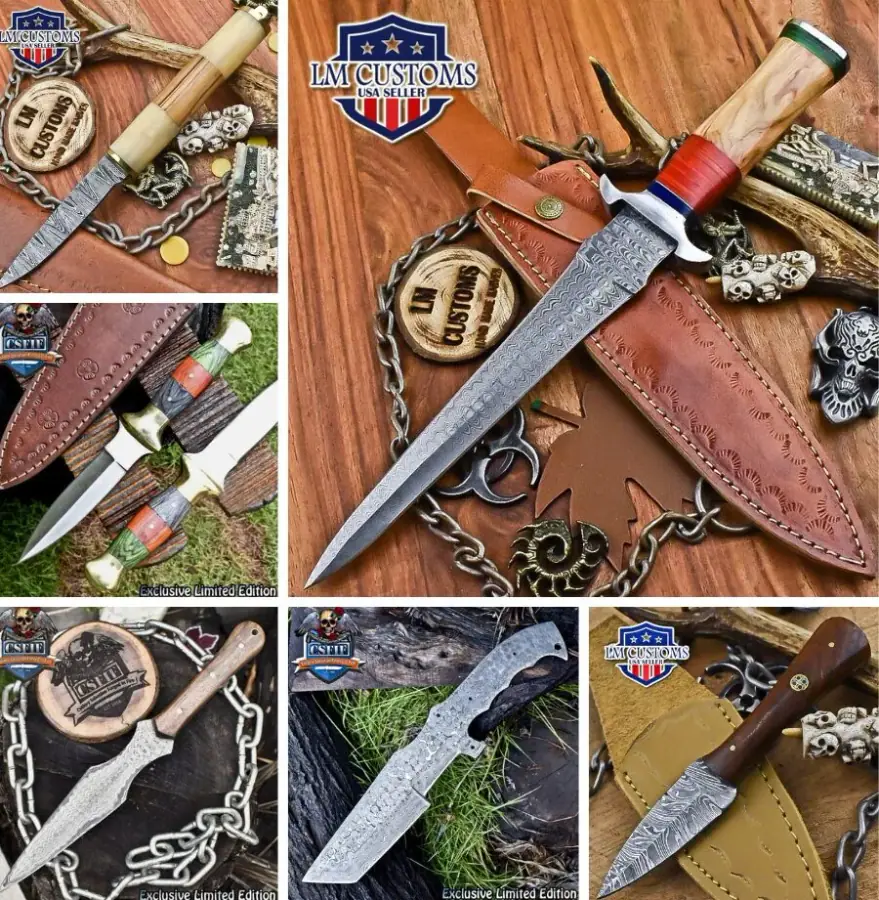
Yes. Stilettos are still made today, both as slim folding knives and as handcrafted collector pieces. Louis Martin hand-forges slender, double-edged handmade stiletto knives in Damascus and high-carbon steel, and each one is one of a kind.
What Are the Key Takeaways?
The stiletto, with its long history, distinctive design, and diverse applications, has captivated people for centuries. Whether used for everyday tasks, craftwork, or collecting, these knives represent a legacy of craftsmanship and versatility. Handle them with care and respect. With proper use and maintenance, your knife can serve you as a faithful companion for many years to come.
Frequently Asked Questions
What is a stiletto knife? +
A stiletto is a slender knife with a long, narrow blade that tapers to a needle point, designed for thrusting rather than slicing. The design comes from Renaissance Italy, and today the name usually refers to slim Italian-style folding knives with that same profile.
What were stiletto knives originally used for? +
The first stilettos appeared in the 15th and 16th centuries, during the Renaissance, as slim personal blades carried by nobles and gentlemen. Over the following centuries the needle-pointed shape moved into everyday carry and fine craftwork, and in the 20th century it became the classic slim folding knife that collectors know today.
Are stiletto knives illegal? +
Owning one and carrying one are separate questions. Some states name stilettos in their carry rules: Maine and Michigan prohibit concealed carry of stilettos, Massachusetts restricts carrying stilettos and other double-edged knives, and Rhode Island prohibits concealed carry of stilettos and of any blade over 3 inches. Many classic stilettos are also automatic knives, so your state's switchblade rules apply too. Check your state before carrying one. This is general information, not legal advice.
What is the difference between a stiletto and a switchblade? +
Stiletto describes the blade: long, narrow, and needle pointed. Switchblade describes the opening mechanism: a spring deploys the blade at the press of a button. Many classic Italian stilettos are both, which is why the terms get mixed up.
What are stiletto knives used for? +
Today stilettos are mostly everyday carry knives and collector pieces. The slim, precise blade handles light tasks like opening letters and packages and cutting fabric or leather, and craftspeople use the fine point for detailed carving. Many owners buy them for their history and craftsmanship and keep them on display.
How do you care for a stiletto knife? +
Wipe the blade clean and dry after each use, sharpen it when the edge starts to drag, and keep the fine needle point away from hard surfaces. For long-term storage or display, keep it in a dry, lined case and give the blade a light coat of oil or blade wax.
Shop the Collection
Browse our handmade Stiletto Knives